
Northern Home Improvement Design Trends for Cold Climates sets the stage for this enthralling narrative, offering readers a glimpse into a story that is rich in detail with casual formal language style and brimming with originality from the outset.
As we delve into the key design elements, flooring options, winter-proofing techniques, and exterior design trends tailored for cold climates, get ready to transform your home into a cozy oasis even in the harshest winters.
Northern Home Improvement Design Trends for Cold Climates
In cold climates, certain design elements are essential to ensure homes are comfortable and energy-efficient. From insulation to color schemes, every detail plays a crucial role in creating a warm and cozy living space.
Importance of Insulation and Energy-Efficient Materials
Insulation is key in northern home design as it helps retain heat and reduce energy costs. Using energy-efficient materials such as double-pane windows, insulated doors, and properly sealed walls can significantly improve the overall energy efficiency of a home in a cold climate.
Impact of Color Schemes on Warmth and Coziness
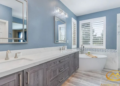
The choice of color schemes can greatly impact the perceived warmth and coziness of a home in a cold climate. Warm tones like deep reds, oranges, and browns can create a welcoming ambiance, while cool tones like blues and greens can evoke a sense of tranquility.
It's important to strike a balance between these colors to achieve the desired atmosphere.
Use of Natural Light and Large Windows
Natural light plays a crucial role in northern home design, especially during the long winter months. Large windows allow ample sunlight to enter the home, providing warmth and brightness. Additionally, strategically placing windows to capture the most sunlight can help reduce the reliance on artificial lighting and heating, making the home more sustainable and energy-efficient.
Flooring Options for Cold Climate Homes
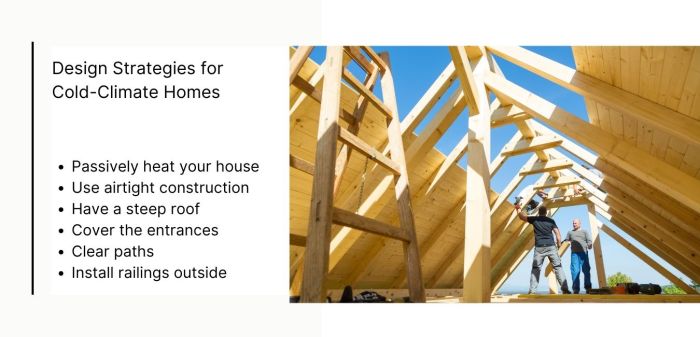
When it comes to choosing flooring for cold climate homes, it's essential to consider factors like durability, insulation, and maintenance. Different flooring materials offer various benefits and drawbacks in these areas, so it's crucial to choose the best option based on the specific needs of your home.
Heated Floors
Heated floors are an excellent option for cold climate homes as they provide consistent warmth throughout the space. These systems can be installed under various types of flooring materials like tiles, hardwood, or laminate. While they are energy-efficient and offer excellent insulation, they can be expensive to install initially.
Carpets
Carpets are a popular choice for cold climate homes as they provide warmth and comfort underfoot. They offer good insulation properties and can help reduce energy costs by retaining heat. However, carpets require regular cleaning and maintenance to prevent mold and mildew growth in humid climates.
Hardwood Floors
Hardwood floors are a classic and durable option for cold climate homes. They add a touch of elegance to the space and can withstand temperature changes well. However, hardwood floors can be prone to scratches and may require refinishing over time to maintain their appearance.
Choosing the Best Flooring Option
When selecting a flooring option for a cold climate home, consider factors like insulation, durability, maintenance, and cost. Heated floors are ideal for consistent warmth, carpets offer comfort and insulation, while hardwood floors provide durability and elegance. Choose the option that best suits your needs and budget.
Maintaining and Caring for Flooring
Regardless of the flooring material you choose, proper maintenance is essential to prolong its lifespan. Regular cleaning, avoiding harsh chemicals, and using rugs or mats in high-traffic areas can help preserve the flooring's condition. Follow manufacturer's guidelines for maintenance and consider professional cleaning or refinishing when necessary.
Winter-Proofing Techniques for Northern Homes
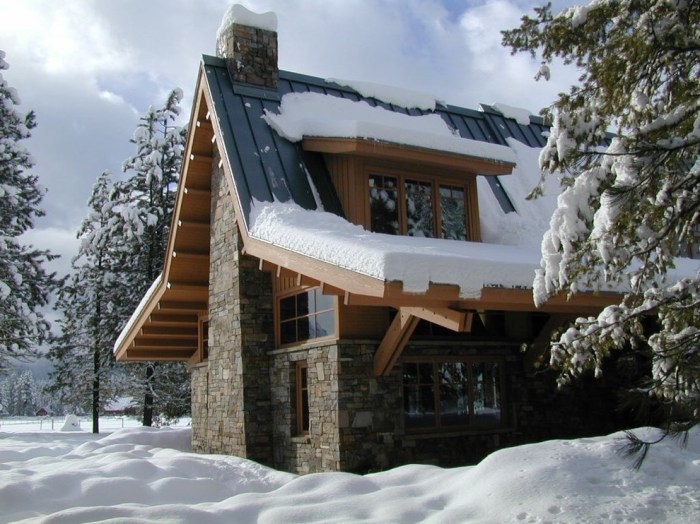
When it comes to winter-proofing homes in cold climates, it is essential to focus on improving energy efficiency to keep indoor spaces warm and comfortable. Effective methods can help homeowners save on heating costs and create a cozy environment during the colder months
Weather-Stripping Doors and Windows
Properly weather-stripping doors and windows is a crucial step in preventing heat loss and cold drafts from entering the home. Here is a step-by-step guide to weather-stripping:
- Inspect doors and windows for gaps and cracks where air can seep through.
- Choose the appropriate weather-stripping material based on the type of door or window.
- Clean and dry the surfaces before applying the weather-stripping to ensure a secure seal.
- Measure and cut the weather-stripping to fit the dimensions of the door or window frame.
- Apply the weather-stripping carefully, ensuring it covers the gaps completely to prevent air leakage.
Proper Ventilation Systems
Maintaining proper ventilation systems is essential for ensuring good indoor air quality during winter when homes are sealed tightly to prevent heat loss. Here are some key points to consider:
- Invest in a high-quality ventilation system that can efficiently circulate fresh air throughout the house.
- Regularly clean and replace air filters to prevent dust and pollutants from accumulating indoors.
- Use exhaust fans in kitchens and bathrooms to remove excess moisture and prevent mold growth.
Innovative Technologies for Winter-Proofing
Innovative technologies and tools can help homeowners enhance the winter-proofing of their homes effectively. Consider the following options:
- Smart thermostats that allow for better control of heating systems and energy usage.
- Energy-efficient windows and doors with double or triple glazing to improve insulation.
- Programmable window shades or blinds that can automatically adjust based on sunlight and temperature.
Exterior Design Trends for Cold Climate Homes
When it comes to designing the exterior of homes in cold climates, there are several trends and considerations to keep in mind to ensure durability and functionality.Metal Roofs and Durable Siding:Metal roofs have become increasingly popular in cold climates due to their durability and ability to shed snow easily.
They are also fire-resistant and can last for decades with proper maintenance. When it comes to siding materials, options like fiber cement, engineered wood, and vinyl are popular choices for their ability to withstand harsh weather conditions.Landscaping for Cold Climates:Incorporating elements like evergreen trees, shrubs, and native plants in your landscaping can help create a visually appealing and low-maintenance outdoor space.
These plants are better equipped to survive the cold and thrive in snowy conditions.Proper Drainage Systems:Ensuring proper drainage around your home is crucial in preventing ice dams and water damage during the winter months. Installing gutters, downspouts, and sloping the ground away from the foundation can help divert water away from your home and prevent costly repairs.Selecting the Right Materials:When choosing materials for your exterior finishes, it's important to opt for those that can withstand extreme temperature fluctuations, moisture, and snow load.
Consider factors like insulation, thermal resistance, and durability when selecting siding, roofing, and trim materials.Outdoor Enhancements:To enhance the functionality of your cold climate home, consider incorporating elements like outdoor fire pits, heated driveways, or heated walkways. These features not only add to the aesthetics of your home but also provide added comfort and convenience during the winter months.
Epilogue
In conclusion, embracing these Northern Home Improvement Design Trends for Cold Climates can not only elevate the aesthetics of your home but also enhance its functionality and energy efficiency. Let these trends guide you in creating a warm and inviting space that withstands the chill of winter with style.
FAQs
What are the best flooring options for cold climate homes?
Heated floors, carpets, and hardwood are popular choices for cold climates, each offering unique benefits in terms of durability and insulation.
How can I effectively winter-proof my northern home?
Effective methods include weather-stripping doors and windows, maintaining proper ventilation, and utilizing innovative technologies to improve energy efficiency.
What exterior design trends are ideal for cold climate homes?
Metal roofs, durable siding materials, and proper drainage systems to prevent ice dams and water damage are key trends for exterior design in cold climates.